How to Save Money: A Beginner’s Guide to Building Wealth

Learning how to save money is one of the most useful financial habits you can build, and it doesn’t require a big income or complicated money management system. This guide walks through practical money saving tips, a simple savings plan you can start this week, and the habits that turn small deposits into real progress toward financial freedom.
Quick answer: The core of how to save money is simple: know your income and expenses, set clear savings goals, automate a portion of every paycheck into a savings account, and adjust your spending habits over time as you see what’s working.
Why Does Learning How to Save Money Matter?
Saving money gives you options. A small cushion means a car repair, a medical bill, or a quiet month at work becomes an inconvenience instead of a crisis. Over time, consistent saving is also how most people fund bigger financial goals, from a home down payment to retirement to simply having room to breathe between paychecks.
Understanding how to save money also supports financial stability in a quieter way: it reduces the pressure of financial uncertainty day to day. When you know you have savings set aside, everyday decisions become easier, because one unexpected cost no longer threatens your whole month.
How Much Should You Try to Save Each Month?
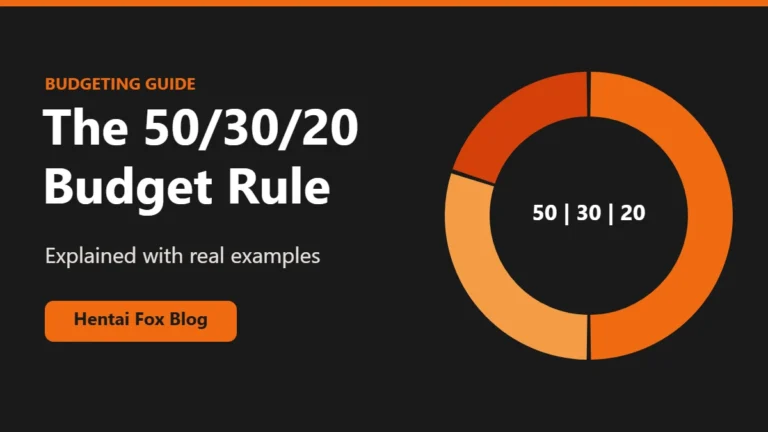
There’s no single number that fits everyone, but a common starting target is 20% of after-tax income directed toward savings and extra debt payoff, split between an emergency fund, retirement contributions, and other goals. If that feels out of reach right now, start smaller. Even 5% of income, saved consistently through automatic savings, builds real momentum and a habit you can grow from.
The right monthly savings target depends on your income, your fixed costs, and your current goals. Someone paying down high-interest debt might prioritize a smaller emergency fund first and direct more toward payoff. Someone with stable income and low debt can often push their savings rate higher right away.
How to Save Money on a Tight Budget
Learning how to save money doesn’t require a large income. On a tight budget, the priorities simply shift slightly. Start with a small, achievable target, such as $25 to $50 a month, rather than a percentage that feels out of reach. Building the automatic savings habit matters more at this stage than the dollar amount.
A few adjustments help specifically when income is limited:
- Start with a micro emergency fund: Even $250 to $500 covers many of the smaller unexpected costs that otherwise end up on a credit card.
- Use windfalls fully: Tax refunds, rebates, and small bonuses can move a tight savings plan forward quickly since they don’t compete with regular monthly expenses.
- Look for one flexible category to trim: Even a single subscription or one fewer takeout order a week can free up enough to start the habit.
- Increase the amount gradually: As income rises or debt clears, revisit the savings percentage every few months rather than leaving it fixed indefinitely.
The underlying approach to how to save money stays the same at every income level: automate what you can, track your progress, and adjust as circumstances change.
How Do You Start Saving Money as a Beginner?
Building the habit of saving money for beginners follows a simple, repeatable sequence.
Step 1: Review Your Income and Expenses
Before you can save more money, you need a clear picture of where your money currently goes. Track your spending for 30 days, ideally with a linked bank account or a simple spreadsheet, so you can see exactly which categories eat up the most of your income.
Step 2: Set Specific Savings Goals
Vague goals like “save more” rarely stick. Specific savings goals, such as “$1,000 for an emergency fund by December” or “$3,000 for a trip next summer,” give you a target and a timeline, which makes it much easier to track progress and stay motivated.
Step 3: Automate Your Savings
Set up an automatic transfer from your checking account to a high-yield savings account on the same day your paycheck arrives. Automatic savings removes the decision from the equation entirely, since the money moves before you have a chance to spend it elsewhere.
Step 4: Review and Adjust Monthly
Check your progress once a month. If a category is consistently over budget, adjust it. If your income increases, consider raising your savings percentage rather than letting the extra income simply blend into regular spending.
What Does a Real Example of Saving Money Look Like?
Consider someone earning $3,500 a month after taxes who wants to build financial stability. They start by automating a 10% transfer, $350, into a high-yield savings account on payday. After tracking expenses, they notice $120 a month going to unused subscriptions and rarely-used services. Cutting those brings their monthly savings to $470, close to 15% of income, within the first two months of building the habit.
This pattern shows up often when people learn how to save money: automation handles the discipline, and a quick review of spending habits usually reveals one or two easy places to cut expenses without much of a lifestyle change.
What Are the Best Ways to Cut Expenses and Save More?
Reducing spending doesn’t have to mean giving up everything you enjoy. A few categories tend to offer the biggest, easiest wins for beginners looking to save more money.
Reviewing Recurring Subscriptions
Streaming services, apps, and memberships add up quietly. A quarterly review of your bank statement often reveals a subscription or two that’s no longer worth the cost.
Lowering Grocery Spending
Groceries are one of the largest flexible categories in most budgets. Meal planning, buying store brands for staples, and reducing food waste can meaningfully reduce spending here without a major shift in how you eat. For a complete breakdown, see our guide on how to save money on groceries.
Negotiating Recurring Bills
Insurance, phone plans, and internet service are often negotiable once a year. A short call asking about current promotions or competitor pricing frequently results in a lower rate for the same service.
Lowering Utility and Recurring Household Costs
Small adjustments to energy use, such as programmable thermostats, energy-efficient bulbs, or simply unplugging devices that draw standby power, can trim utility bills by a noticeable amount over a full year. These savings are easy to overlook because each individual bill only drops a little, but combined with other cut-expenses strategies, they add real weight to your overall savings plan.
Delaying Non-Essential Purchases
A simple 24-hour or 7-day waiting period before non-essential purchases reduces impulse spending significantly, since much of the initial desire to buy fades once the moment passes.
Which Savings Challenges Help Beginners Build Momentum?
Structured challenges give beginners a clear, visual way to build the savings habit without having to make a big decision every single day. The 52-week money saving challenge is one of the most popular options: it breaks a savings goal into small, increasing weekly deposits that add up to well over $1,000 by the end of the year. Because each individual deposit is small, the challenge format makes the habit easier to sustain than trying to save a large lump sum all at once.
How Much Should Be in Your Emergency Fund?
An emergency fund is the foundation of most savings plans, since it protects the rest of your progress from being wiped out by a single unexpected expense. A common starting target is one month of essential expenses, then building toward three to six months over time. Our full guide on how much should be in an emergency fund walks through how to calculate the right target for your specific situation and income.
What Type of Savings Account Should You Use?
Where you keep your savings matters almost as much as how much you save. A standard checking account typically earns little to nothing in interest, while a dedicated high-yield savings account can earn meaningfully more, letting your money grow simply by sitting there. Look for an account with no monthly fees, easy transfers, and a strong annual percentage yield. Our comparison of the best high-yield savings accounts breaks down current options so you can pick one that fits your needs.
What Habits Help You Save Money Consistently?
A handful of habits separate people who build lasting savings from people who save in bursts and then stop. Keep these in mind as you build your own approach to how to save money:
- Pay yourself first: Treat your savings transfer like a required bill, not an optional leftover at the end of the month.
- Name your savings goals: A labeled “Emergency Fund” or “Trip to Japan” account feels more real than a generic savings balance, which makes it easier to stay committed.
- Track progress visibly: A simple chart, app, or spreadsheet that shows your growing balance provides a steady source of motivation.
- Save windfalls by default: Tax refunds, bonuses, and cash gifts are easy to save in full since they weren’t part of your regular budget to begin with.
- Revisit your savings rate after every raise: Increasing your savings percentage alongside a raise, even by a few points, prevents lifestyle creep from absorbing the extra income.
- Keep emergency savings separate from goal savings: Mixing the two makes it tempting to dip into emergency funds for non-emergencies, which delays overall progress.
- Review your savings account interest rate yearly: Rates on high-yield savings accounts shift over time, so a quick annual comparison ensures your money is still earning a competitive return while you continue learning how to save money over the long run.
How Do You Stay Motivated When Progress Feels Gradual?
Early progress on any savings plan can feel gradual, since the first few months are mostly about building the habit rather than seeing a large balance. A few approaches help keep momentum going:
- Focus on the habit, not just the number: Consistently transferring money each month matters more early on than the total amount saved.
- Celebrate milestones along the way: Reaching your first $500 or first $1,000 is worth acknowledging, since these early markers build confidence for larger goals later.
- Revisit your “why” regularly: Connecting your savings goals to something specific, like a home, a trip, or long-term financial freedom, keeps the effort feeling purposeful rather than abstract.
- Adjust rather than abandon: If a month comes in lower than planned, simply pick the target back up next month instead of stopping the habit altogether.
How Does Saving Money Connect to Building Wealth?
Saving money and building wealth are related but not identical. Saving protects you in the near term through an emergency fund and short-term goals, while building wealth is the longer-term process of putting your money to work through investments, retirement accounts, and appreciating assets. Learning how to save money is the foundation that makes building wealth possible, since consistent savings habits create the surplus that eventually gets invested.
A practical bridge between the two is combining a simple budgeting routine with your savings plan. Budgeting shows you exactly how much surplus you have each month, which then flows directly into savings and, eventually, into longer-term wealth-building accounts like retirement funds or brokerage accounts. Beginners often start by mastering how to save money in a high-yield savings account, then gradually shift a portion of that surplus toward investing once their emergency fund and short-term goals are covered.
Frequently Asked Questions About How to Save Money
Automating a transfer on payday, before you have a chance to spend that portion, is generally the fastest and most reliable way to save money fast, since it removes the need for daily willpower.
A common starting target is 20% of after-tax income, though 5 to 10% is a reasonable starting point if 20% isn’t realistic yet. The most important factor is consistency, not the exact percentage.
Most financial guides suggest building a small starter emergency fund (around $500 to $1,000) first, then focusing extra income on high-interest debt, and finally ramping savings back up once that debt is under control.
A high-yield savings account is generally the best fit for money you may need within the next few years, since it offers meaningfully higher interest than a standard checking or savings account while still keeping your funds easily accessible.
Most people notice saving starting to feel automatic after two to three months of consistent automatic transfers, once the habit is established and the account balance becomes visible progress.
Treating savings as whatever is left over at the end of the month, rather than a fixed line item, is one of the most common patterns that keeps monthly savings inconsistent. Automating the transfer solves this directly.
Yes. A basic budgeting routine shows you exactly which categories have room to cut expenses and how much surplus is available each month, which makes it much easier to set realistic savings goals rather than guessing.
Most beginners do well with at least two: one for the emergency fund and one for shorter-term goals like a trip or a purchase. Keeping goals in separate, clearly labeled accounts makes it easier to track progress on each without accidentally spending emergency savings on something else.
Yes. Consistent monthly savings, even modest ones, compound over years, especially once a portion moves into interest-bearing accounts or investments. Building wealth is less about the size of any single deposit and more about the length of time the habit continues.
Key Takeaways for How to Save Money
Learning how to save money comes down to a few repeatable steps: know your income and expenses, set specific savings goals, automate the transfer, and review your progress monthly. Small, consistent savings habits build financial stability far more reliably than occasional large deposits, and the exact percentage matters less than showing up for it month after month. Pairing a simple budgeting routine with automatic savings gives you a clear, sustainable path from your first emergency fund milestone toward longer-term building wealth goals. Start with whatever amount feels realistic today, and increase it gradually as your income grows and your spending habits improve. Revisit this guide on how to save money every few months as a quick refresher, since small adjustments compound just as steadily as the savings themselves.